






Money management
How conflict affects markets and why calm, long-term thinking matters
When geopolitical conflict escalates, the human cost is always the greatest and most devastating consequence. Before we discuss markets or economic implications, it is essential to acknowledge that behind every headline are people: families facing fear, displacement, loss, and uncertainty.
These events are not primarily political, or economic, they are deeply personal, and the emotional weight can be overwhelming.
It is entirely natural for investors to feel anxious in moments like these. Markets often react quickly to fastmoving events, and the news cycle can amplify the sense of instability. Our goal is not to downplay the seriousness of the situation, but to offer perspective, clarity, and reassurance rooted in evidence and long-term experience.
What we are seeing in markets right now
Following the recent escalation in the Middle East, markets have shown the kind of initial volatility that is typical during geopolitical shocks:
- Oil and gas prices surged.
- European gas prices jumped, reflecting concerns over energy supply.
- Global equities declined, led by airlines and travel-related sectors.
- Gold prices rose, as investors temporarily sought safe-haven assets.
- Shipping activity through the Strait of Hormuz – a critical channel for a fifth of global oil and gas flows – has slowed significantly following the strikes.
- Concerns have also risen about potential damage to key regional energy infrastructure, which could tighten energy markets further.
Although these reactions are understandable, markets are forward-looking and adjust rapidly when uncertainty increases.
But while the short-term moves are dramatic, history consistently shows that markets tend to recover once the initial shock subsides.
How portfolios are positioned today
Importantly, portfolios were not caught off guard by recent events. We entered this period positioned deliberately, with an emphasis on resilience, diversification, and flexibility.
- Neutral overall equity exposure, diversified by both region and manager, with a clear tilt towards higher-quality, more defensive areas of the market. This helps reduce sensitivity to short-term shocks while maintaining exposure to long-term growth opportunities.
- An overweight allocation to cash, providing stability today and flexibility to deploy capital should markets experience further downside or specific areas of dislocation.
- Multi-asset foundations and specialist boutique exposure, which have historically helped portfolios navigate periods of heightened uncertainty by reducing reliance on any single asset class or market outcome.
This positioning is intentional. It is designed to absorb volatility, manage risk thoughtfully, and allow portfolios to respond calmly and constructively as events unfold — rather than reacting emotionally to headlines.
What history tells us about markets during geopolitical crises
Looking back over several major conflicts and geopolitical shocks – ranging from the Gulf Wars to the invasion of Ukraine – market patterns have been remarkably similar:
| Event | Market Fall | Time to Recover |
| Gulf War (1990) | -17% | 6 months |
| 9/11 Attacks (2001) | -12% | 1 month |
| Iraq War (2003) | -14% | 3 months |
| Russia–Ukraine Invasion (2022) | -13% | 2 months |
Although each crisis is deeply different in human terms, financial markets have repeatedly demonstrated resilience. What often matters more than the conflict itself is its duration, its impact on global supply chains (especially energy), and how central banks and governments respond.
Historically:
- Market downturns caused by geopolitical shocks tend to be shorter-lived than those triggered by economic or financial imbalances.
- Investor sentiment often recovers more quickly than many expect.
- Staying invested has consistently outperformed trying to time exits and re-entries during periods of uncertainty.
This doesn’t diminish the seriousness of the events, but it does highlight the importance of long-term perspective.
A compassionate approach to investment decisions today
At moments like this, many investors feel an understandable urge to act quickly: to sell, to move into cash, or to time the market. But decisions made in fear often lead to poorer long-term outcomes and only damage the investor, not politicians.
What matters most now is:
Focusing on what you can control. We can’t control global events, but we can control risk levels, diversification. You can control the quality of advice you rely on. If you are unsure, ask your wealth manager about their advice process.
- Maintaining perspective amid short-term movements. Energy markets may be volatile in the coming weeks. Supply disruption risks, including through the Strait of Hormuz, are real. But markets have a long history of adjusting and normalising as clarity improves.
- Leaning on a well-structured investment strategy. A diversified, disciplined portfolio is built precisely for moments like this. It reduces reliance on any single region or asset class and aims to protect long-term outcomes.
- Remembering that emotions are real and valid. Feeling unsettled does not make us irrational, it makes us human. That is why we have a highly disciplined investment approach, designed to remove emotion from investing.
Our thoughts are first with the people directly affected by the conflict. No market analysis can or should overshadow the human impact.
But for investors, the most constructive and compassionate guidance we can offer is this:
- You don’t need to react hastily.
- Your long-term financial wellbeing remains on track if your strategy is well- built and diversified.
- History shows that markets recover, usually far faster than expected.
Uncertainty is difficult, emotionally and financially. If you feel concerned or uncertain about what this means for your portfolio, we are here: ready to talk, to listen, and to help ensure your plans remain firmly on course.
If you have any questions and would like to speak to one of the team, please get in touch with your private banker in the first instance.
You can also contact our client services team by calling +44 (0)1624 645000, emailing [email protected], or by searching for client services in Qwil Messenger.
The value of investments can fall, as well as rise, and you might not get back the original amount invested. Exchange rate changes affect the value of investments. Past performance is not necessarily a guide to future returns. Any individual investment or security mentioned may be included in clients’ portfolios and is referenced for illustrative purposes only, not as a recommendation, not least as it may not be suitable. You should always seek professional advice before making any investment decision.
Author
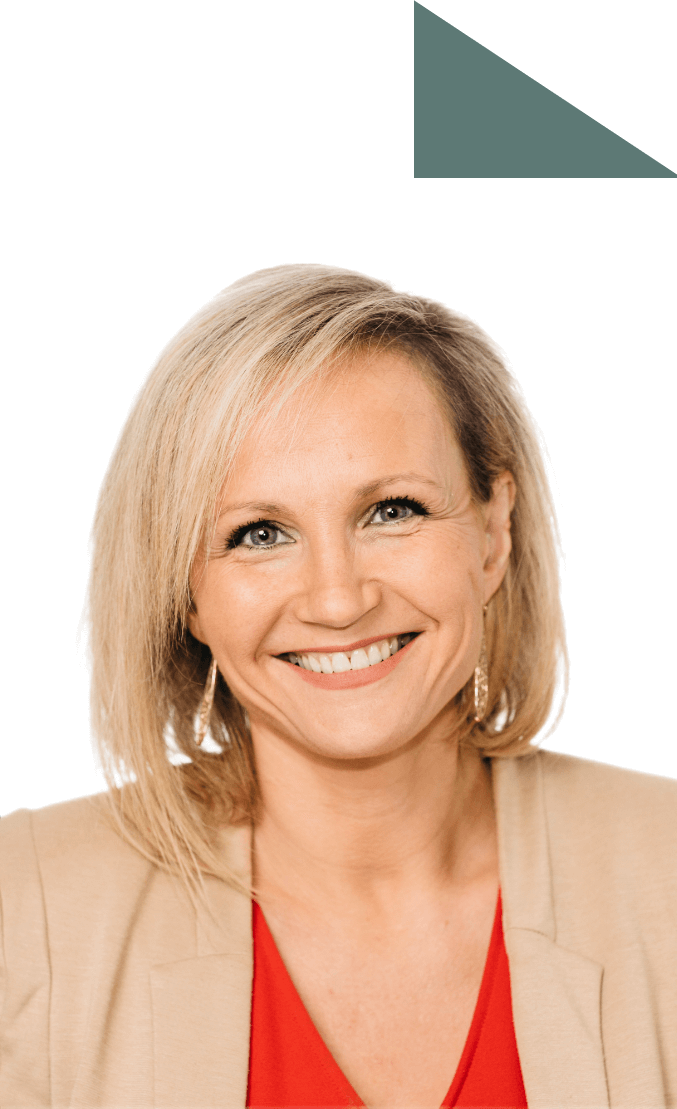
Rebecca Cretney
Senior Investment Specialist , Isle of Man
Rebecca Cretney is a Senior Investment Specialist at Nedbank Private Wealth, bringing over two decades of experience advising high-net-worth clients, trustees and families across sophisticated, multi-jurisdictional portfolios. She joined the firm in 2004 after relocating from Barcelona to attend the Isle of Man Business School.
Rebecca was a private banker for 13 years at Nedbank Private Wealth before becoming an Investment Specialist in 2019.
She now provides technical investment expertise to private banking teams across the Isle of Man, Jersey and the UK. Her focus includes shaping discretionary investment strategies, guiding complex portfolio structures and elevating the consistency and integrity of client advice, including supporting colleagues through the development and delivery of a structured training programme designed to reinforce best practice and advice integrity.
Rebecca is an active member of Nedbank Private Wealth’s Investment Committee and leads the bank’s philanthropy proposition, reflecting her longstanding commitment to responsible wealth stewardship.
A Chartered Fellow of the Chartered Institute for Securities & Investment and a Chartered Wealth Manager, Rebecca also holds PCIAM, Cert PFS and CeMAP qualifications. Her insights on sustainable investing, philanthropy and the evolving responsibilities of wealth holders are regularly sought, with contributions featured in publications such as the STEP Journal and Spear’s 500.
RELATED NEWS
You may also be interested in the following Insights








Sign up for our updates
Stay up to date with the latest news, insights, and opinions from Nedbank Private Wealth by signing up to our newsletter. You can also register to be invited to our virtual events and hear directly from a wide range of experts. Sign up below. You can unsubscribe at any time.