





Money management

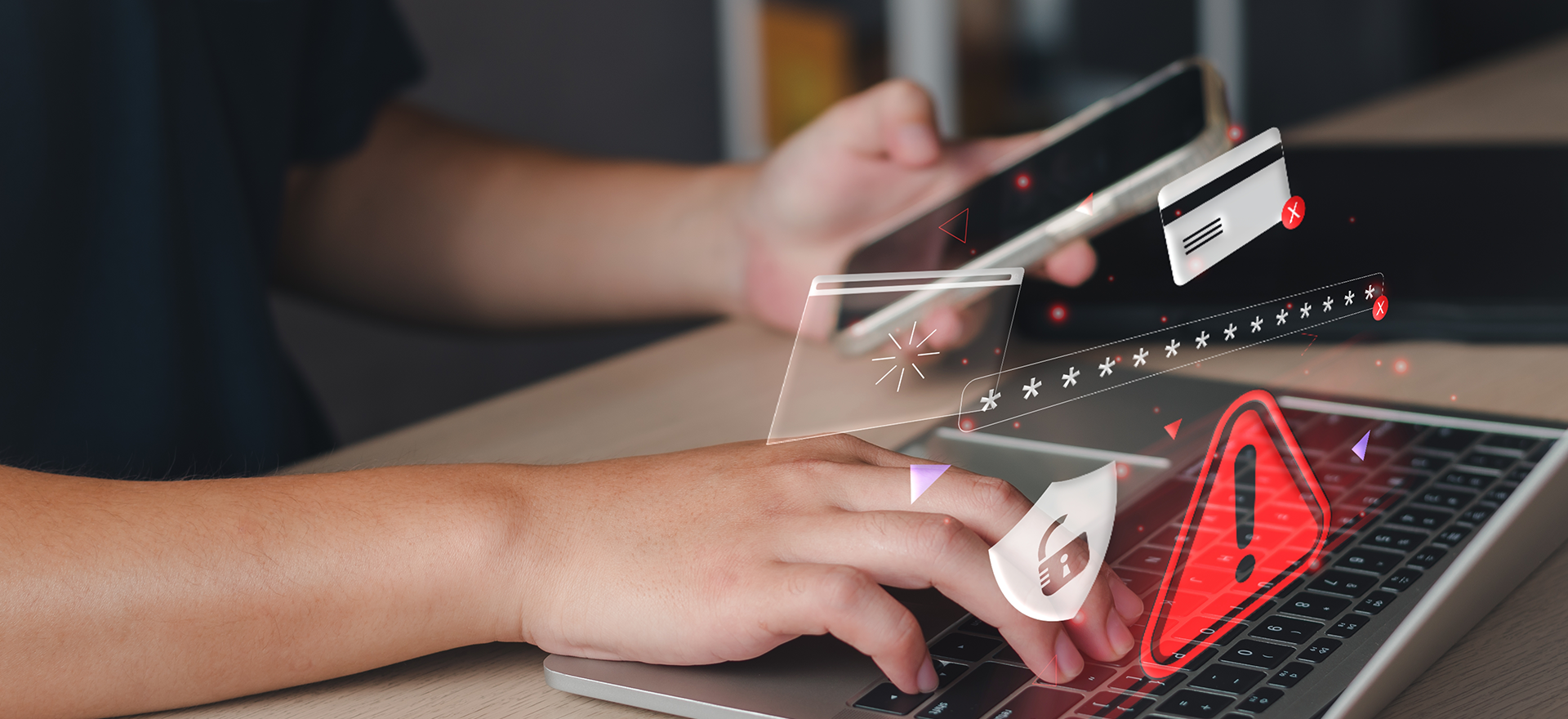
As digital banking continues to be an essential part of everyday life, cybercriminals continue to find new ways to access your sensitive information. A strong password with multi-factor authentication, is the simplest, yet most effective ways to protect your online accounts, and protect yourself from potential fraud.
Why strong passwords matter
In the UK alone, there were over 46,000 reports of cybercrime with losses of £7.8m linked to hacked social media and email accounts. Weak passwords make online accounts vulnerable, potentially leading to financial and personal loss. Once compromised, a password can allow unauthorised individuals access to your financial details, giving them potential control over sensitive data, transaction history, and account funds – but creating a strong password can stop fraudsters in their tracks.
What makes a strong password?
A strong password should be complex, unique, and difficult for anyone else to guess or crack. The recommendation is:
- three random words
- a combination of uppercase and lowercase letters, numbers, and special characters
- a minimum of 12 characters
For example, a strong password might be Blue$Tulip77!Mountain.
This password includes three random words, a mix of character types, and is long enough, making it harder for criminals to break through. Simple or common phrases (such as names or birth dates) should be avoided, as they can be guessed or found, often through social media.
According to data compiled by cybersecurity firms like Hive Systems and Security.org, here is how long it would likely take a fraudster to crack the password!
| Password yype | 8 characters | Time taken to crack |
16 characters | Time taken to crack |
|---|---|---|---|---|
| Numbers only | e.g. 18305742 | Instantly | e.g. 8371940512648593 | Instantly → a few days |
| Lowercase letters | e.g. wachtwrd | 57 minutes | e.g. wshbntgdmvclpqty | Weeks → months |
| Upper & lowercase letters |
e.g. WachtWrd | 7 hours | e.g. wShbNtgDmvClPqfY | Thousands of years |
| Letters, numbers & symbols |
e.g. W4ch!wRd | 4 days | e.g. w$h9ltG2m_IP^q1Y | Trillions of years |
How to protect your passwords
In addition to using a strong password, it’s important to avoid reusing passwords across different accounts or websites. And for added security, consider using a password manager, a tool that securely stores complex passwords and makes it easier to maintain unique passwords for each account. Examples of these include NordPass, 1Password or Bitwarden (which is free to use).
Adding multi-factor authentication strengthens security by requiring a second verification step, such as a code sent to your phone. This helps prevent unauthorised access, even if your password is compromised, and can be set up using apps like Microsoft Authenticator available on iPhone and Android devices.
Remember, your password is your first line of defence, so make sure it’s a strong one!